


Season’s Greetings form the Virtual Lab School (VLS) Team! As 2025 comes to a close, we want to thank you for your commitment to improving the lives of children, youth, families, and Child and Youth Program (CYP) professionals. We appreciate all you do to strengthen the Virtual Lab School and it is a privilege to work alongside you in supporting CYPs. Together, we’ve achieved significant milestones—most notably delivering over 541,000 hours of high-quality professional development for military child and youth professionals in FY2025. Thank you for your partnership and dedication to the care and education workforce. We couldn’t have reached these accomplishments without you. Wishing you a wonderful 2026!
The VLS Team
Selected Content Updates in Q4 2025
The VLS integrates the latest research and best practices into its professional development system on an ongoing basis. Our content team reviews new research and updates made to national guidelines. Selected content updates over the last three months include:
New Tool to Evaluate Staff Retention Practices
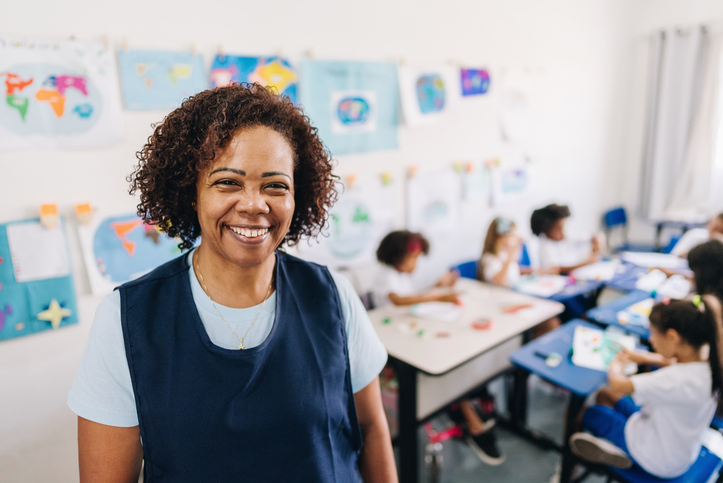
The Virtual Lab School is excited to offer the Staff Retention Program Assessment, embedded in the Leadership Essentials Focused Topics course. This tool helps programs evaluate the supports currently in place for staff retention across these key areas:
- Supports for Challenging Behaviors – Ensuring staff have access to resources, guidance, and practical assistance for addressing children’s challenging behaviors.
- Collegial Support – Promoting a positive program environment where staff feel respected, valued, and able to collaborate effectively with colleagues and leaders.
- Staff Well-Being – Supporting the physical, emotional, and mental well-being of staff through program practices, leadership support, and opportunities for self-care.
By using this assessment, programs can identify strengths, set goals, and create actionable steps to enhance staff retention and overall program quality. The tool is conveniently located in the Apply section of Lesson 3, making it easy to integrate into professional development and program improvement efforts.
Wrapping Up the Year With Updated Foundational Courses
We are pleased to announce that all 15 Foundational Courses, across all six tracks, have now been fully reviewed and updated to align with the Office of the Secretary of War: Child and Youth Programs guidance. These updates ensure that all course content reflects the current guidance provided by OSW: CYP, evidence-based practices, and standards for supporting military-connected children, youth, and families, while promoting excellence in care, education, and professional development across military child and youth programs. By reviewing and updating training content and materials, the VLS team continues to support high-quality programming and ensure compliance with established standards and expectations.
News from the Office of the Secretary of War: Child & Youth Programs Division
Highlights from the Field and Recent Research
Mattering in Early Childhood
A new working paper from the Center on the Developing Child at Harvard University, Mattering in Early Childhood: Building a Strong Foundation for Life, explores how early experiences of mattering—feeling valued and adding value—are essential to children’s lifelong health, well-being, and sense of self. The authors of this paper emphasize that our sense of mattering begins in infancy and is shaped by daily interactions with caregivers, educators, and communities.
The paper outlines 11 practical strategies to build a “mattering ecosystem”:
- Practice serve and return daily: Respond warmly and promptly to a child’s cues to show they are valued.
- Model repair: Demonstrate repairing relationships to teach children they are worth the effort.
- Know the child: Notice their interests and listen actively to show they are seen.
- Watch for anti-mattering: Be alert to messages that make children feel invisible. Every child should hear and see that matter.
- Encourage contribution: Give children small, meaningful ways to help and participate.
- Use reinforcing language: The language we use helps children see their contributions as part of who they are.
- Support isolated children: Connect them with mentors, counseling, or group activities to foster belonging.
- Value caregivers: Support and appreciate parents, teachers, and other caregivers so they can nurture children effectively.
- For nonprofit leaders: In family programs, treat each family member as an individual; listen and respond with care.
- For business leaders: Show employees they matter to enable them to better care for their families.
- For policymakers: Invest in family supports, such as home visiting and paid leave, to help children and caregivers thrive.
The paper emphasizes that helping children feel seen and valued in early childhood lays the groundwork for a lifetime of confidence, resilience, and meaningful connections.
To read the full paper, visit Mattering in Early Childhood: Building a Strong Foundation for Life.

How Outdoor Adventures Help Youth Thrive This Season
The Nature of the Outdoors: Stronger Youth Development Through Exploration was produced by the YMCA of the USA with support from the Annie E. Casey Foundation. The study examined outcomes for more than 5,000 young people across multiple states and found that nature-based youth programs can significantly enhance personal, social, academic, and economic skills.
Key insights include:
- Young people in outdoor programs develop more skills than peers in non-outdoor settings.
- Activities that encourage exploration and reflection amplify growth.
- Boys in outdoor programs reported higher levels of self-management, social skills, and academic confidence compared with boys in non-outdoor programs.
- Outdoor experiences promote teamwork, goal-setting, and healthy habits linked to long-term well-being.
Programs studied ranged from day and summer camps to wilderness adventures, urban gardening, and visits to zoos and botanical gardens. These programs demonstrate that outdoor experiences are more than fun; they actively support youth in building resilience, confidence, and skills that last a lifetime.
To learn more, visit Building Skills Outdoors.