

New Content
The VLS integrates the latest research and best practices into its professional development system on an ongoing basis. Our content team reviews new research and updates made to national guidelines. New content developed over the last three months includes:
New TPD: Effective Communication With Families
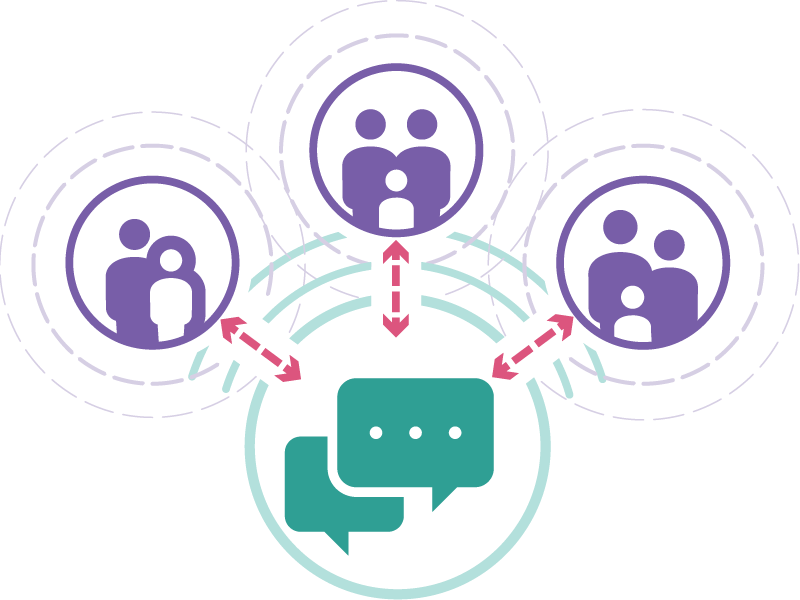
The new Effective Communication With Families Targeted Professional Development (TPD) module explores strategies for responsive communication and building strong partnerships with families. The training covers relationship-based communication, ongoing two-way communication, and collaboration to support meaningful family engagement.
For more information, see the VLS announcement from July.
New Activity Added to School-age Track
A new Family Questionnaire activity has been added to the Apply section of Lesson 1 of the Family Engagement course in the School-Age track. Similar questionnaires are available in the Infant & Toddler, Preschool, and Family Child Care tracks as well, and this activity extends the resource to school-age professionals.
Families provide valuable information that can help professionals identify ways to improve their practices and support their professional development goals. School-age professionals can use the Family Questionnaire to gather feedback from families about current program practices and identify areas for continued growth.
Highlights from the Field and Recent Research
Baby Safety Month
September is Baby Safety Month, an annual campaign that encourages families and professionals to review everyday practices that help keep infants safe. Resources from the Baby Safety Alliance and the U.S. Consumer Product Safety Commission (CPSC) emphasize selecting age-appropriate products, following manufacturers' instructions, registering products to receive recall notices, and creating safe sleep and play environments. These reminders reinforce the important role early care and education professionals play in partnering with families to support children's health and safety both in programs and at home.
To learn more, explore the Baby Safety Month page from the Baby Safety Alliance for downloadable resources, safety tips, and materials that can be shared with families. The CPSC Baby Safety Month page also provides practical reminders about infant safety, including safe sleep, product safety, and preventing common injuries.

Supporting Youth Mental Health
A new report from the Organisation for Economic Co-operation and Development (OECD) examines trends in the mental health of children, adolescents, and young adults across OECD countries. The report finds that youth mental health has declined over the past decade, with increases in reported anxiety, depression, psychological distress, and poor well-being. While the COVID-19 pandemic intensified these concerns, the report notes that the decline in youth mental health began before the pandemic.
The report highlights the importance of prevention and early support and emphasizes that promoting youth mental health involves more than access to clinical services. Supportive families, schools, and communities; social and emotional learning; mental health literacy; and accessible, youth-friendly supports can all contribute to young people's well-being. The report also identifies multiple factors that can affect mental health, including social media and digital technology, academic pressure, economic insecurity, bullying, climate anxiety, and global instability.
Learn more by reviewing the OECD report, Child, Adolescent and Youth Mental Health in the 21st Century, for current research and recommendations related to promoting and supporting youth mental health.
Building Trust Through Communication
Parents and caregivers rely on a variety of sources when making decisions about their children’s education, but not all sources are viewed as equally trustworthy. Recent research from Child Trends found that parents trust information about education from schools and teachers more than information from artificial intelligence, social media, or news organizations. The findings highlight the important role professionals play in providing families with clear, reliable, and accessible information.
For child and youth professionals, this research reinforces the value of building trusting relationships with families and sharing information in ways that are easy to understand and apply. Clear, consistent communication can help families feel more confident when navigating information and making decisions that support their children’s learning and development.
Read the Child Trends article, Parents Trust School Communications About Education Far More Than AI, Social Media, or News, to learn more about parents’ trust in different sources of education information. For additional information about helping families access and use research, see the VLS first quarter newsletter feature, Making Education Research Work for Families.